
Submissions have now closed.
Until 29 May 2026 you could create your own astronomy images with professional robotic telescopes and contribute to the StAnD Image Gallery. The best images will be printed in the StAnD Calendar 2027.
As part of the EU Erasmus+ project StAnD – StudenTs As plaNetary Defenders, students use robotic telescopes to observe and measure the positions of asteroids. After a successful start of these observations, we are now opening the competition to many other exciting night-sky objects.
All selected entries will be featured in the StAnD Image Gallery on the project website, including credit to the student(s) and school. The overall best 12 images will be printed in the StAnD Calendar 2027.
How to use the remote telescopes is explained on a separate page: on a separate page.
Categories of the image competition
A) Gas Nebulas
Gas nebulae can be stellar nurseries (where new stars form) or remnants of supernova explosions. These processes create chemical elements that, much later, can also be found in asteroids and comets.
These images were contributed to this category
How to observe:
Log in to The Schools Observatory → Go Observing → Stars → 3-Color Stars and Nebulae.
You’ll see a list of objects currently observable, including background information.
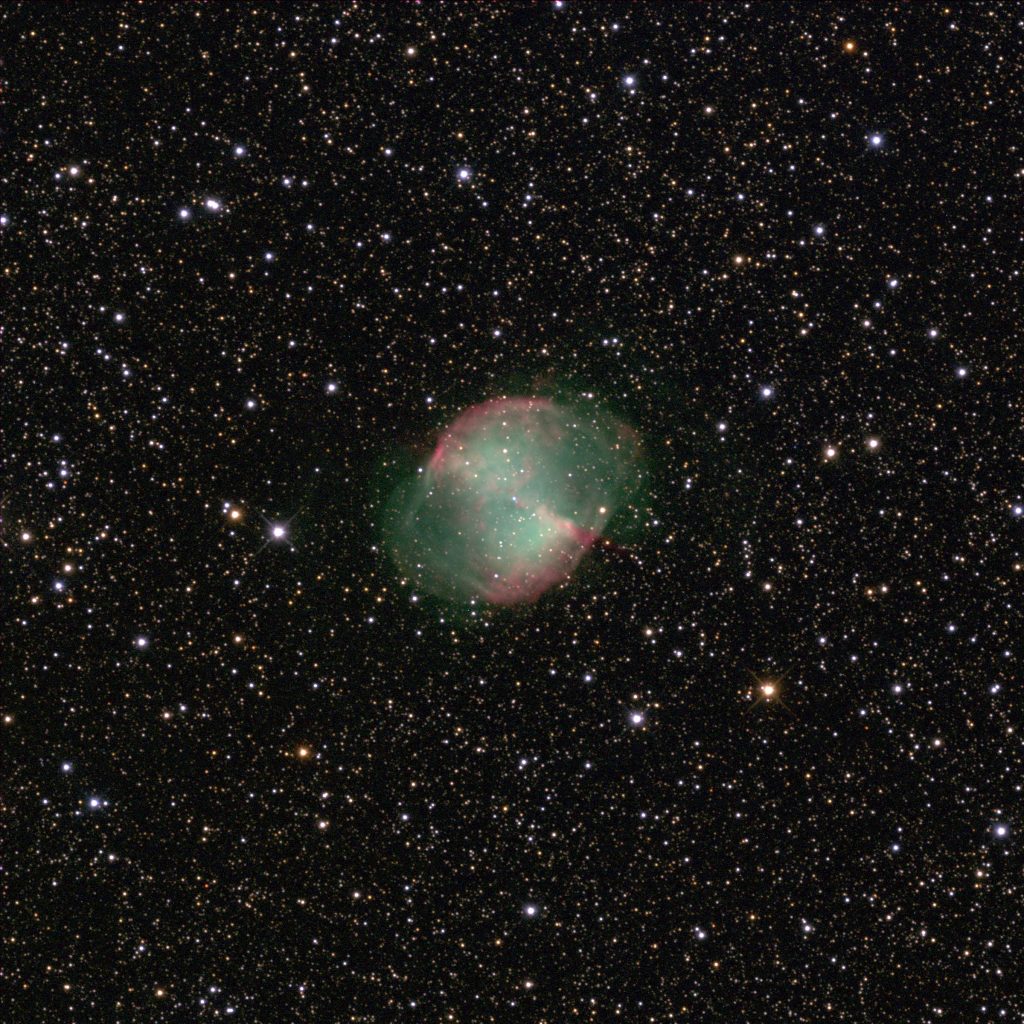
Try to make your own colour images of such a Nebula, like M27, the Dumbbell Nebula, (AiM Münster / schoolsobservatory.org):
B) Galaxies
StAnD focuses on objects close to Earth, but our Solar System is only a tiny part of the Milky Way—and the universe contains millions of galaxies. Capture your own galaxy observation (black & white or color) and explore how varied galaxies can be.
These images were contributed to this category
How to observe:
Log in to The Schools Observatory → Go Observing → Galaxies
You may even find several Galaxies in a single image, like at NGC 7331 shown below, which was taken during a supernova event (marked in red) at Egbert-Gymnasium Münsterschwarzach.

C) The Moon
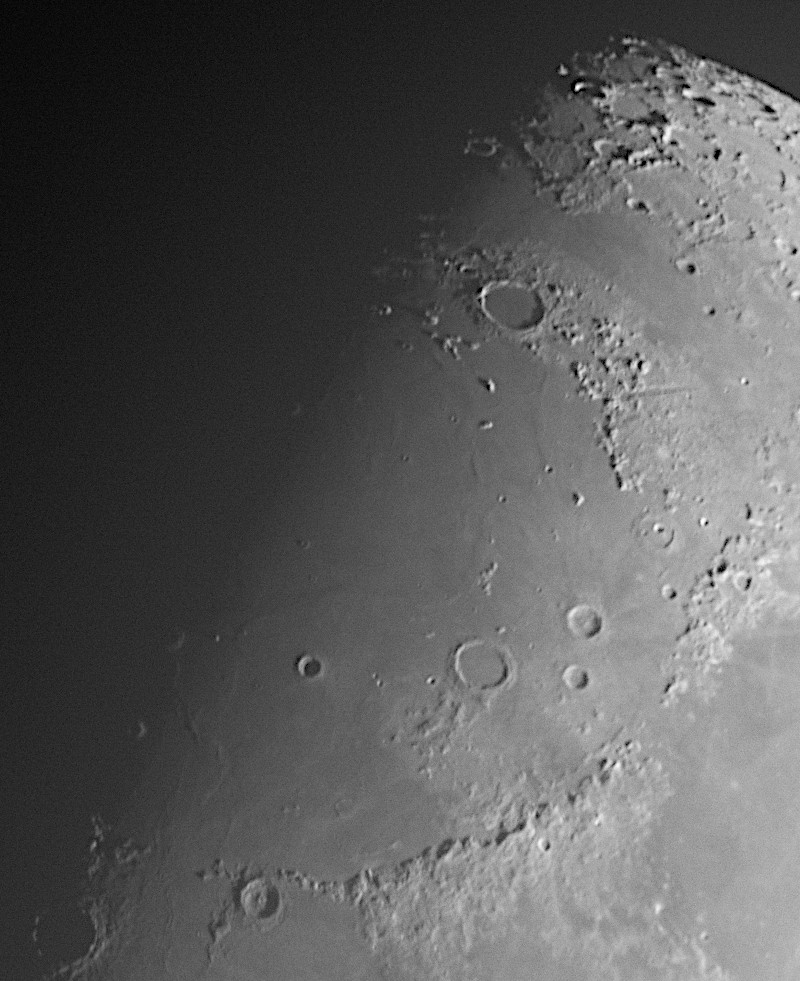
The Moon is a perfect target to see crater structures caused by impacts. Use the 2m Liverpool Telescope (La Palma) to image the Moon and analyze crater sizes and shapes.
These images were contributed to this category
How to observe:
The Schools Observatory → Go Observing → Moon (Image: FTP-Europlanet).
D) Comets and Asteroids
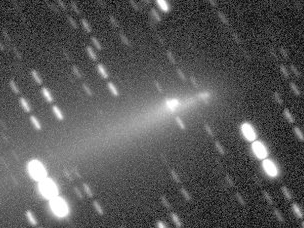
With robotic telescopes you can also image comets and asteroids – sometimes even capturing the trail of a moving object.
No images were contributed to this category
How to observe:
The Schools Observatory → Go Observing, then check the latest special opportunities (e.g., “Special – Interstellar Comet”) or explore Investigations.
Available targets vary depending on visibility.
(Image of Comet 2025/K1 (Atlas), broken in 3 pieces, by Hans Freudenberg Schule / schoolsobservatory.org).
M) Meteor Camera Images
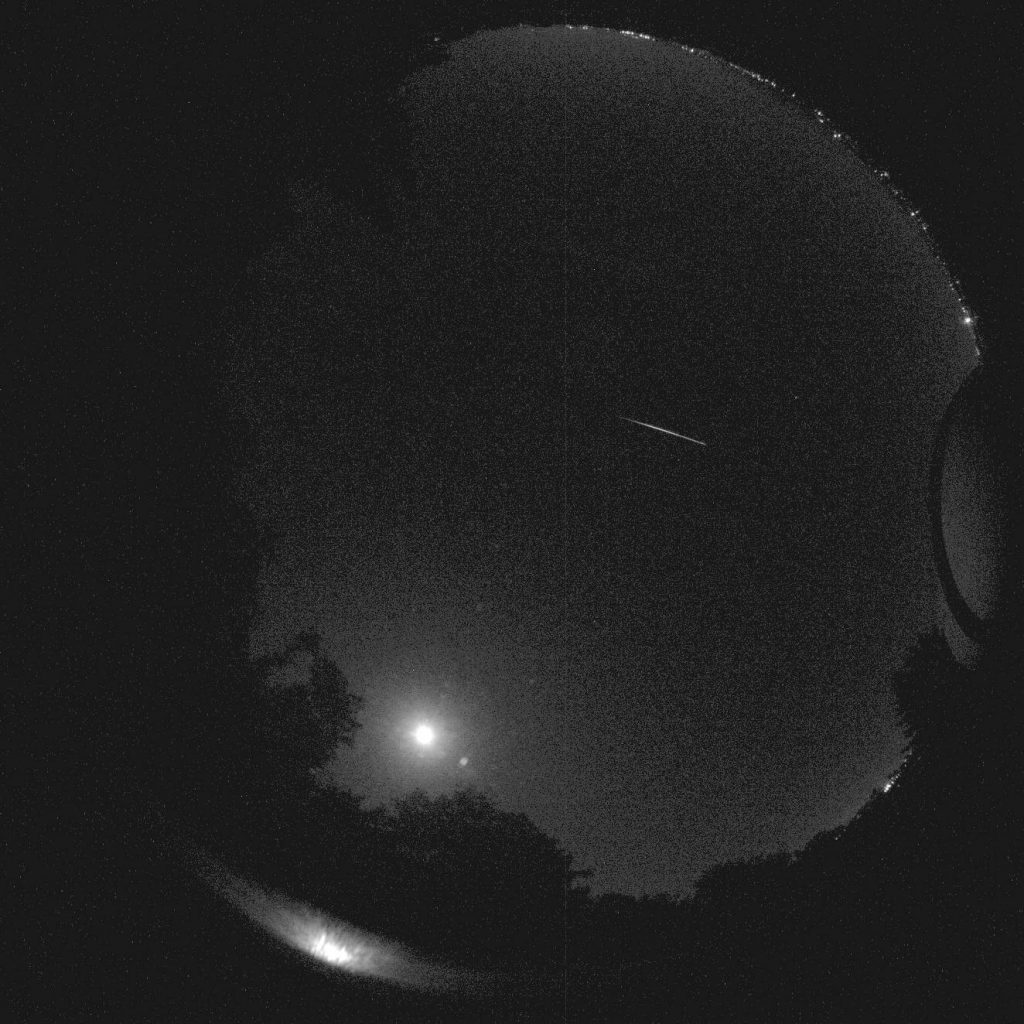
For schools with access to StAnD Meteor Cameras, we offer an additional bonus category.
- Check your camera detections
- Select your best meteor image
- Process it for submission
No images were contributed to this category
Toolkit & instructions: https://projectstand.eu/meteor-camera-kit/
Questions: please contact our project partner INAF.
Image by DEBW21, FTP01:
How to participate
- You need a free account at The Schools Observatory.
Access instructions are described on a separate page. - Plan your observation and download your image when it’s ready.
- Process your image (cropping, contrast, color composition, etc. are allowed).
- Email your submission to: competition [at] ftp-europlanet.eu
- Please include:
– Student name(s) (or student group name)
– School name + country
– Category (A–M)
– Object name (e.g., M27, NGC 7331, Moon)
– Short caption (1–2 sentences: what are we seeing?)
Rules & Deadlines
- One submission per student per category (max. 5 entries per student if they submit to all categories).
- Deadline was: 29 May 2026 (23:59 CET).
- After programming an observation, image delivery may take 1–4 weeks (especially for Moon observations due to lunar phases).
Recommendation: schedule observations at least one month before the deadline—earlier is better. - Due to the regulations of the EU-Project, Participants agree to complete an online questionnaire about Project StAnD which will be treated anonymously.
Image Use & Credits (Important)
By submitting an image, you confirm that:
- You created the image yourself using the StAnD-supported observing tools (robotic telescopes and/or StAnD meteor cameras).
- The StAnD project partners have the right to make use of your images, always with proper credit (student + school). This includes project communication and dissemination (website, social media, reports, presentations, calendar).
- No additional licensing fee is required for these project uses.