
Click on the images to enlarge them
Freie Waldorfschule Lienen, Germany
Freie Waldorfschule Lienen, Germany
Schillergymnasium Münster, Germany
Freie Waldorfschule Lienen, Germany
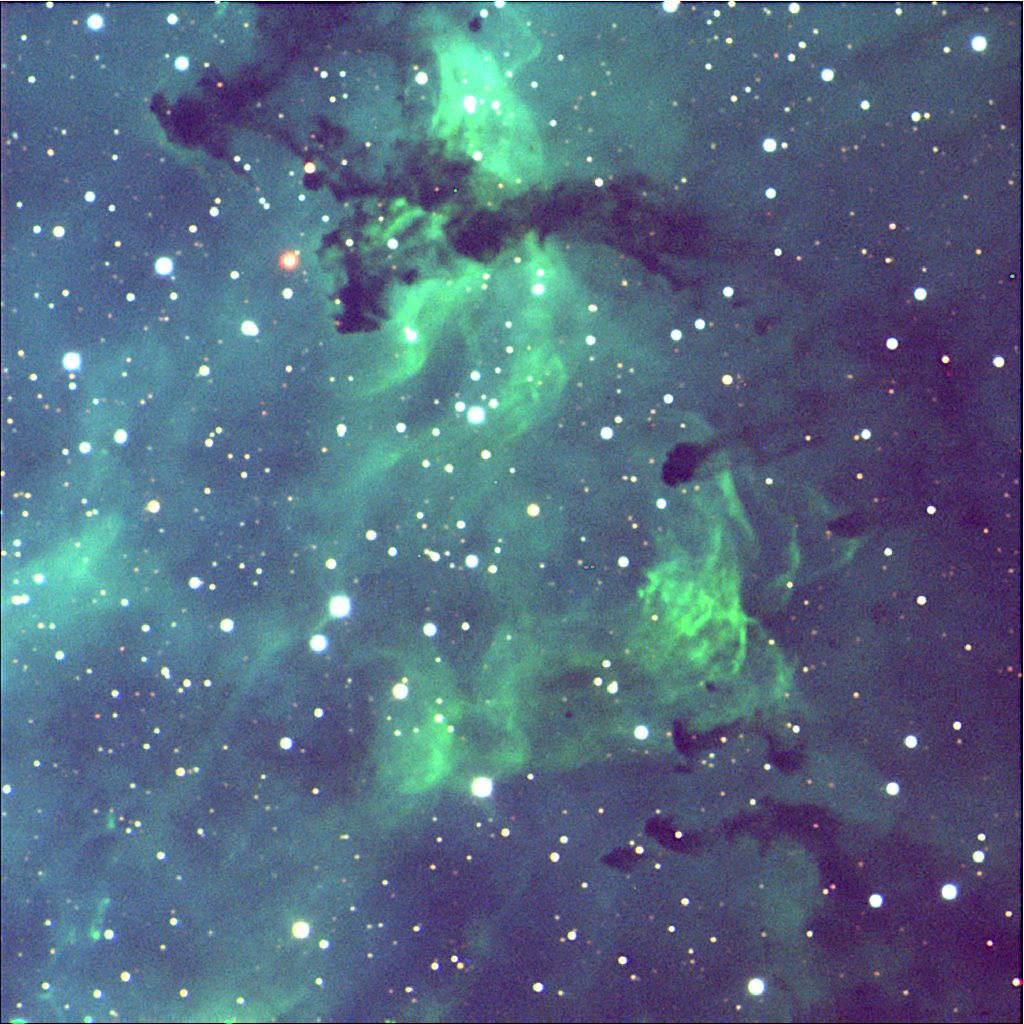
Freie Waldorfschule Lienen, Germany
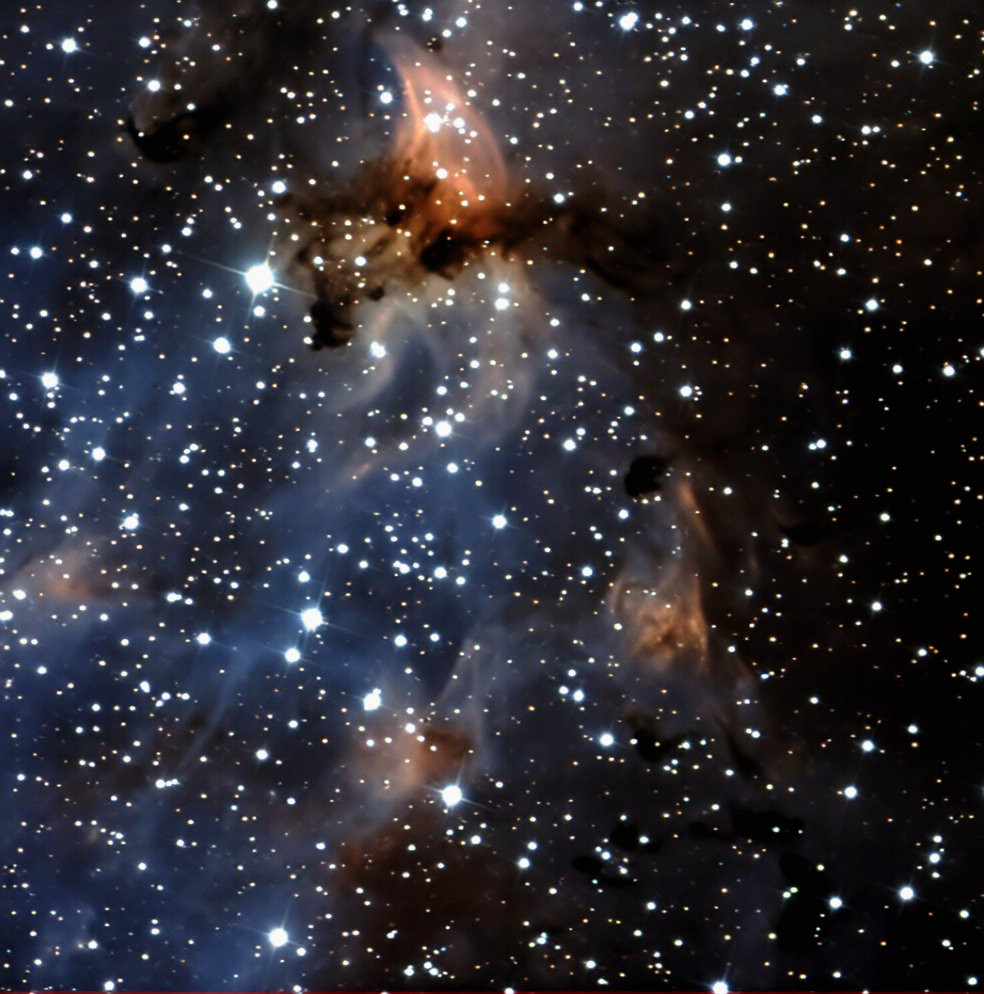
Lycée Louis Armand, France
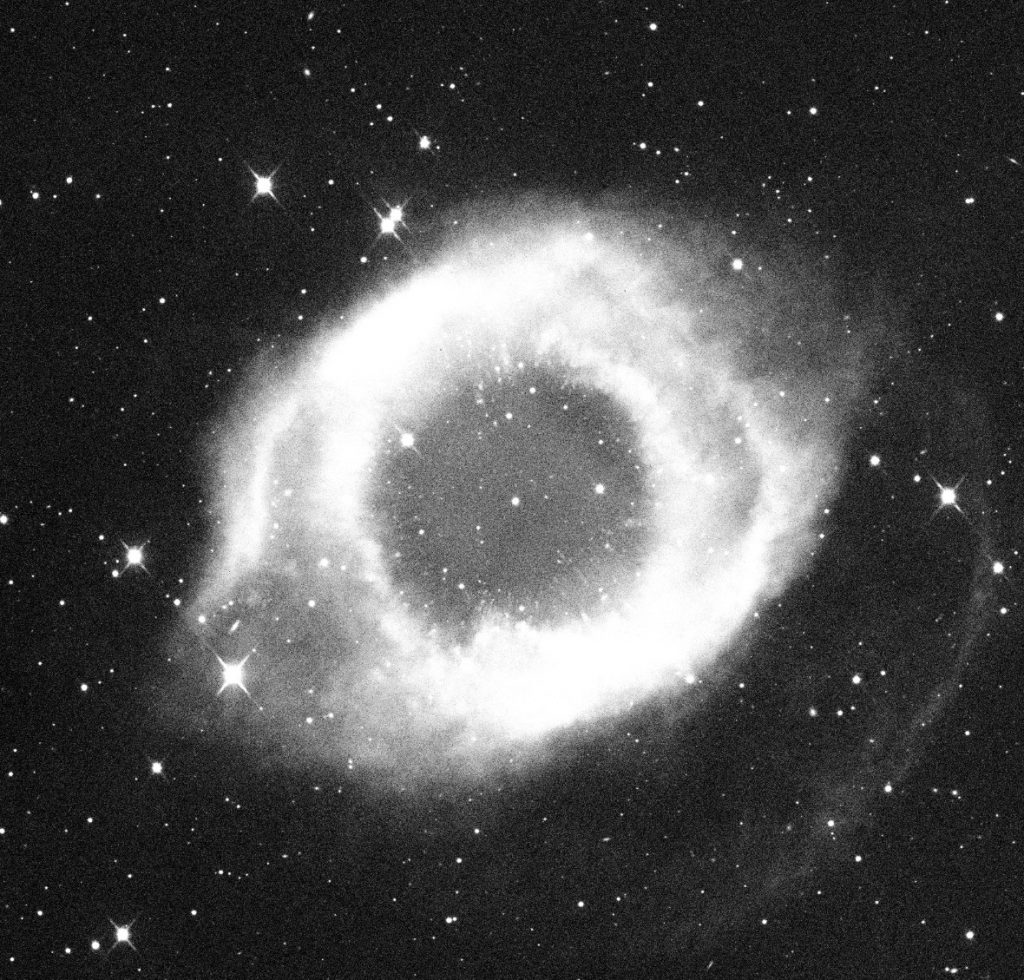
Haberdashers Monmouth School, United Kingdom
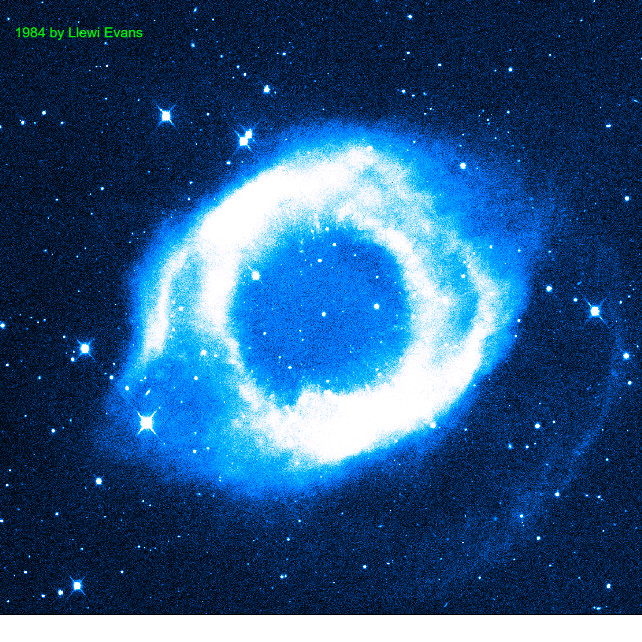
Haberdashers Monmouth School, United Kingdom
Escola Básica Prof. Artur Nunes Vidal, Portugal
Escola Básica Prof. Artur Nunes Vidal, Portugal
Gabriel Caridade Marques,
Ibn Mucana (Alcabideche, Portugal)
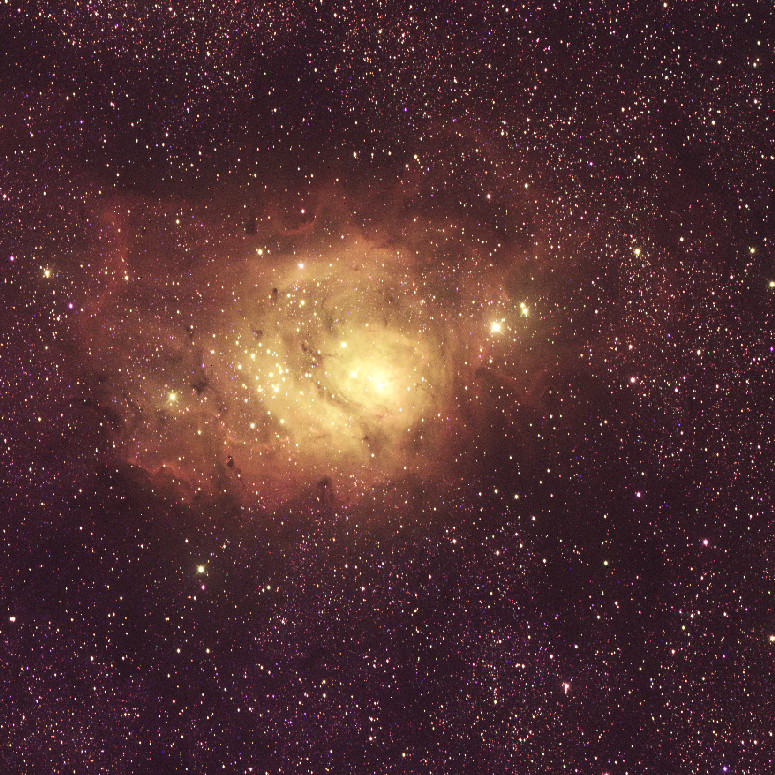
Escola Básica Prof. Artur Nunes Vidal, Portugal
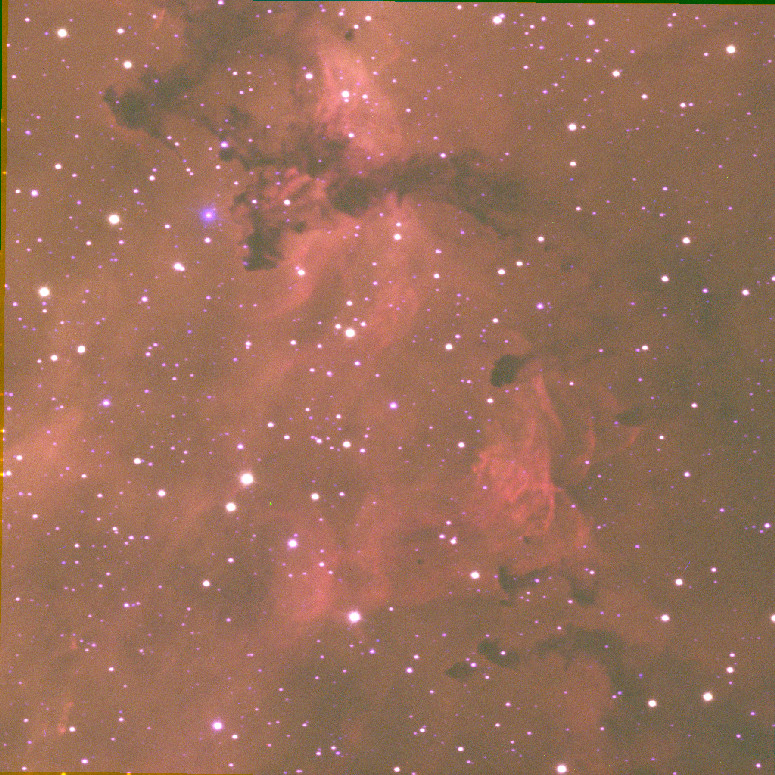
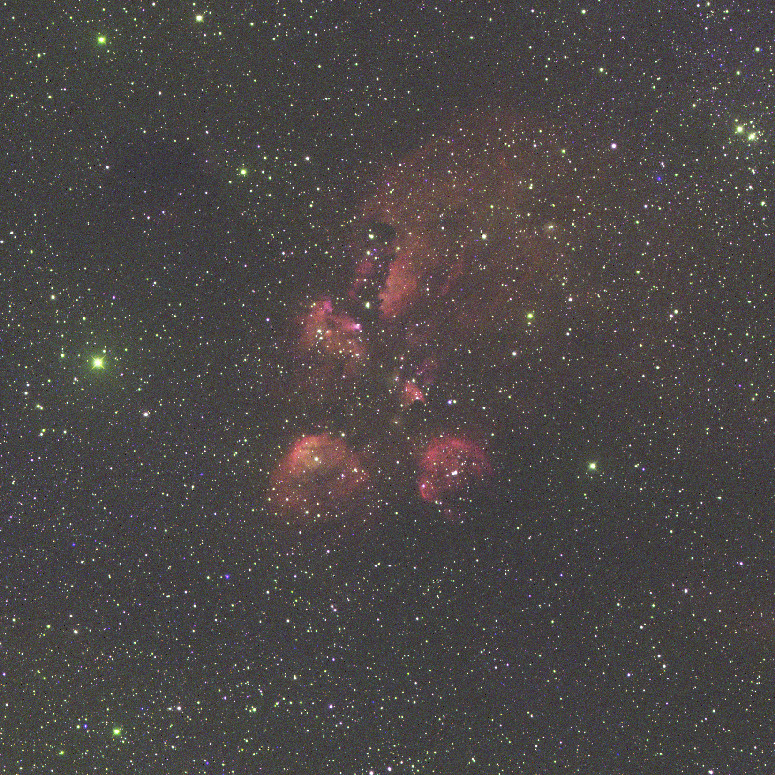
Escola Básica Prof. Artur Nunes Vidal, Portugal
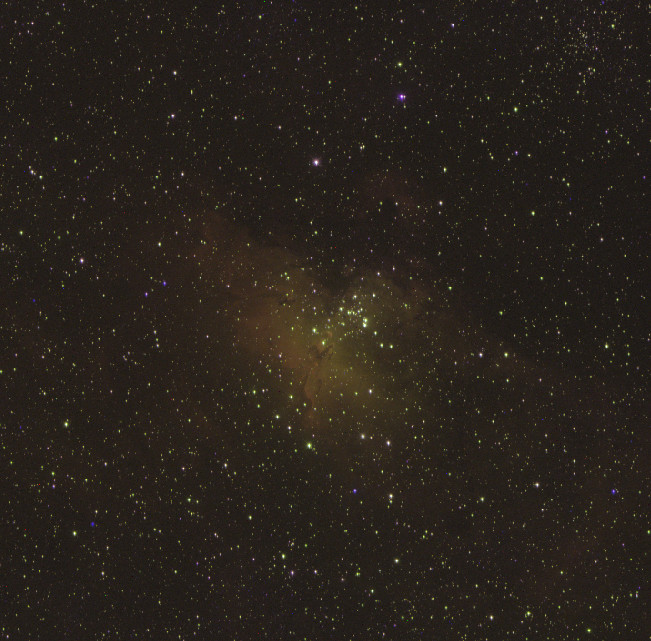
Escola Básica Prof. Artur Nunes Vidal, Portugal
Further Information about the images:
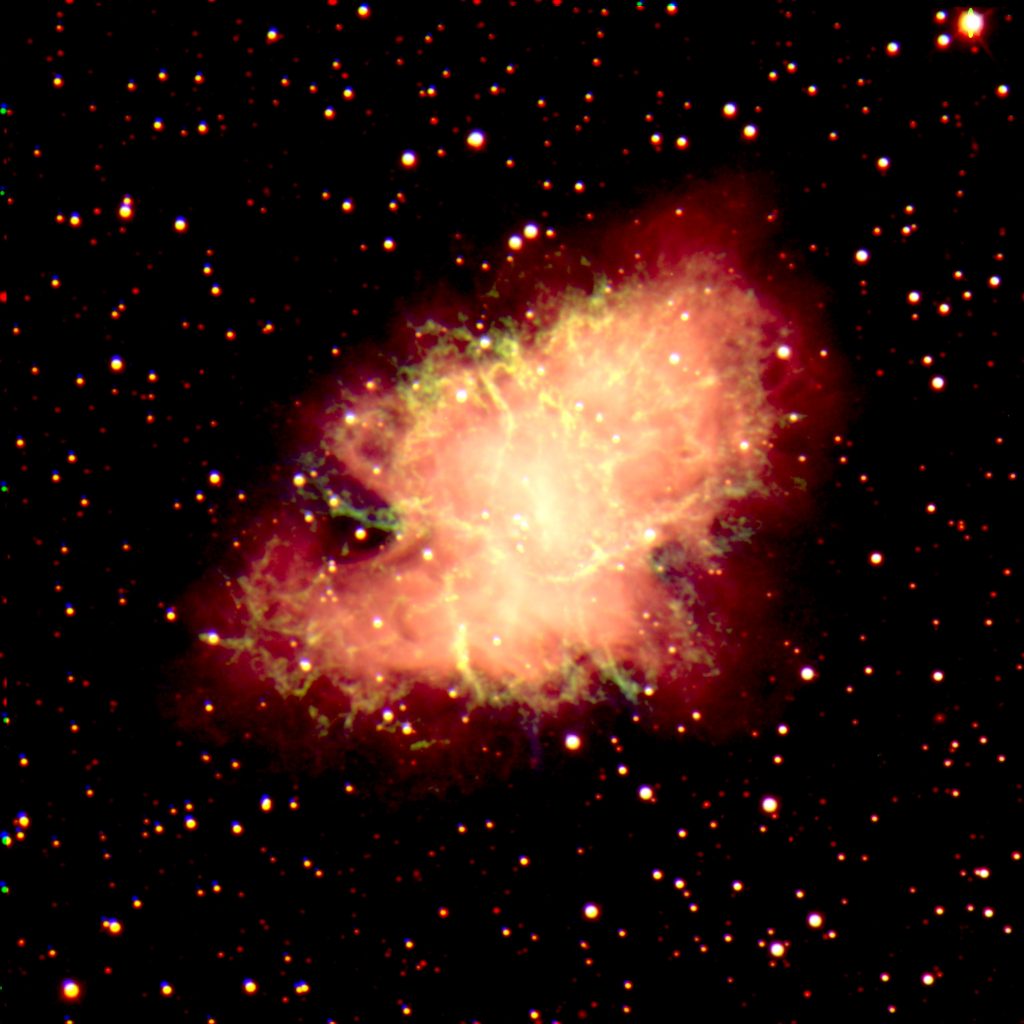
A01: M1, Aleah Lange, Freie Waldorfschule Lienen, Germany
This colorful picture shows Messier 1, which is also known as the Crab Nebula. It is the beautiful, glowing leftover of a medium sized star that exploded long ago, showing red gas on the outside and green lines tangled on the inside.
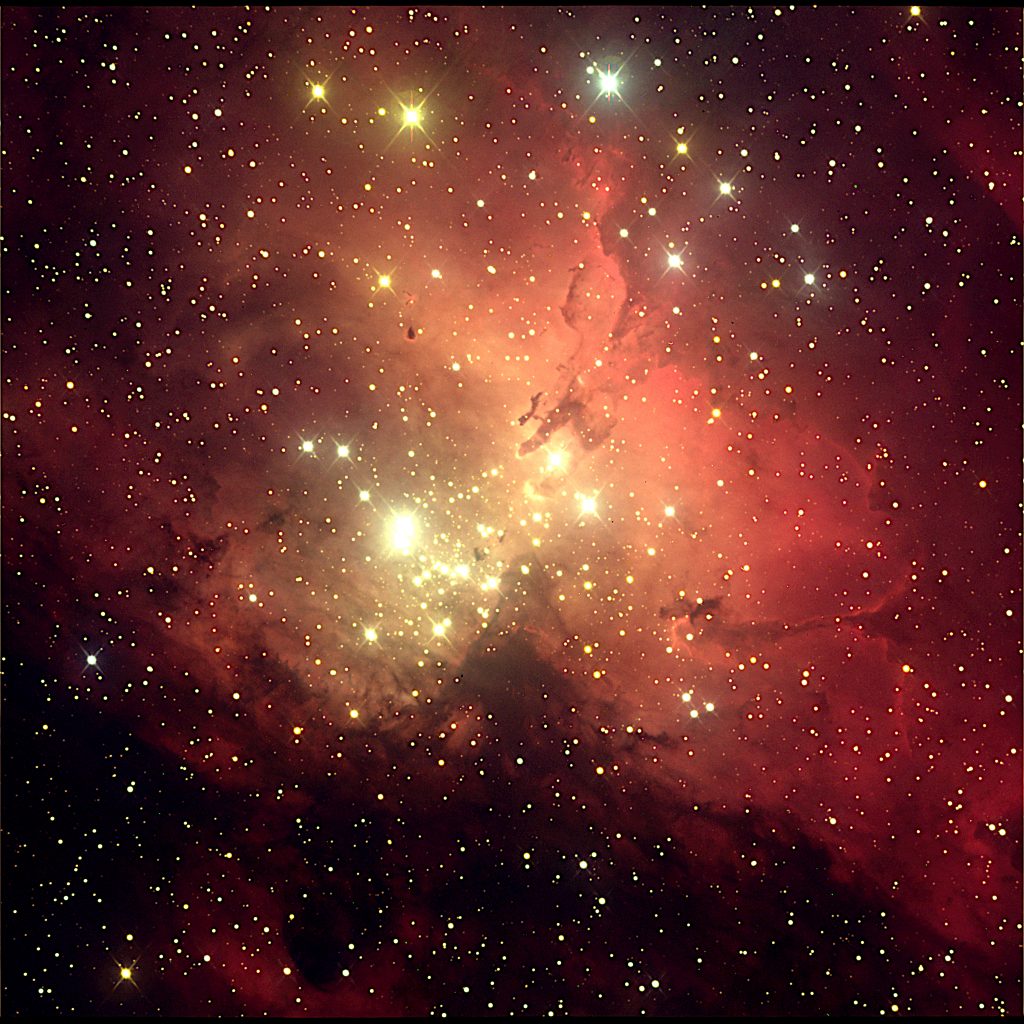
A02: M16, Cheyenne Landsberg, Freie Waldorfschule Lienen, Germany
This mostly red picture shows a famous part of Messier 16, known as the Pillars of Creation. These giant columns of dust reach out like fingers of a claw towards a rich cluster of bright stars.
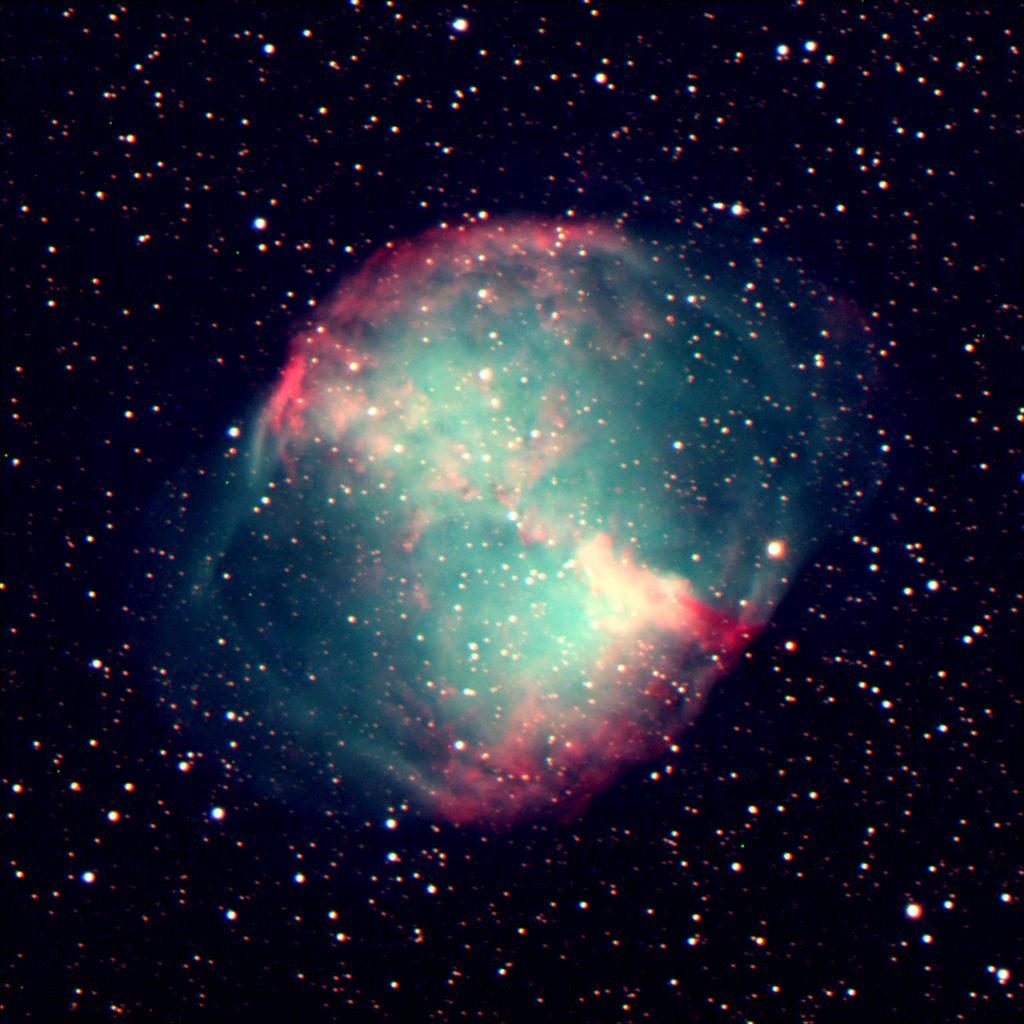
A03: M27, Amelie Wunnicke, Schillergymnasium Münster, Germany
Messier 27 is famously known as the Dumbbell Nebula, but in German, it is also called the „Apfelbutzennebel“ (Apple Core Nebula). In this view, the red gas in the middle looks just like the leftover core of an apple, with glowing green gas framing the sides.
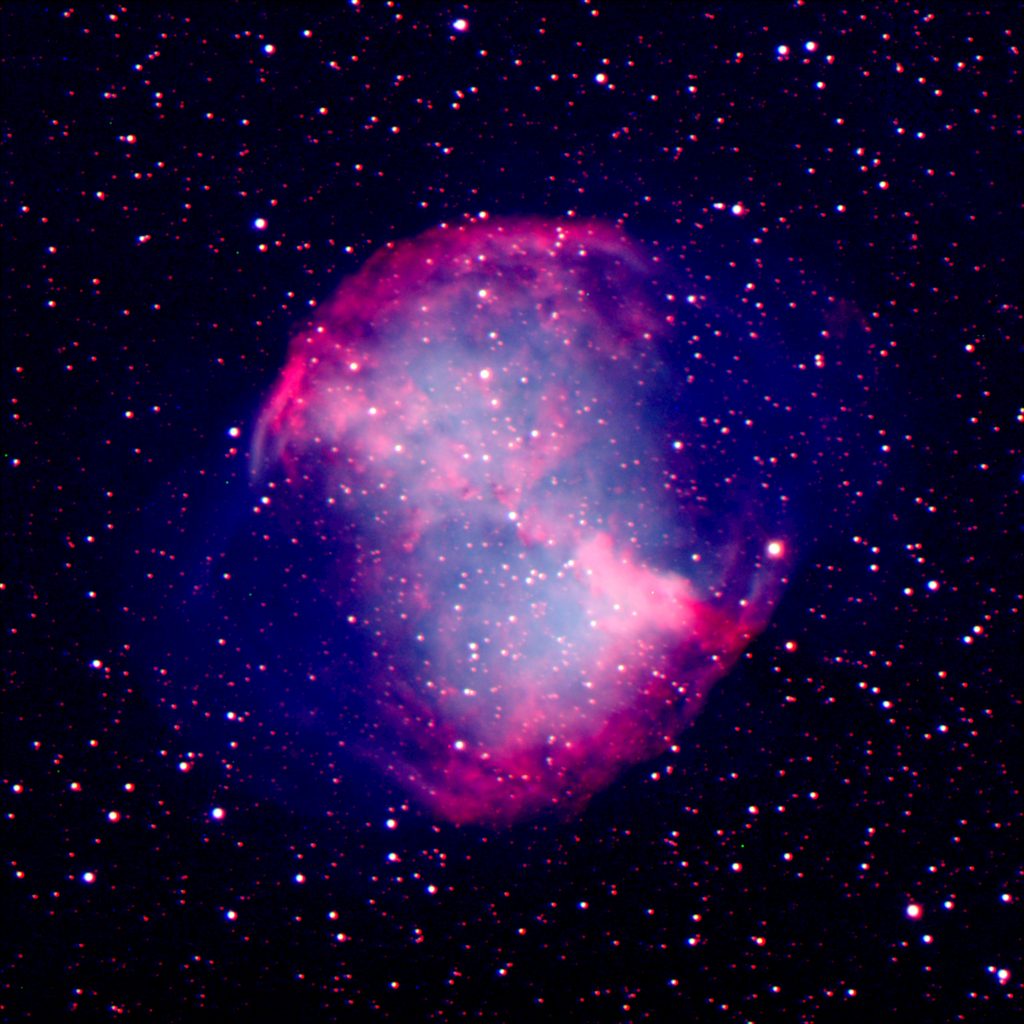
A04: M27, Leonie Stockmann, Freie Waldorfschule Lienen, Germany
This is the Dumbbell Nebula (Messier 27) and it looks like a circle with a dumbbell shape hidden inside it. The very bright inner regions are colored purple and pink, surrounded by blue on the sides and a turquoise center, making the nebula look a little bit like a fish swimming to the left.
A05: NGC2237, Pia Mentrup, Freie Waldorfschule Lienen, Germany
This picture shows only a small part of NGC 2237, which is also called the Rosette Nebula and looks like a round shape around a dark center, where strong winds from stars have pushed the space dust away. Here you can see dark spots at the top which are thick clouds of cold dust where new stars can be born.
A06: IC2177, Zoé FONTAINE–CASAL, Lycée Louis Armand FRANCE
J’ai choisi de travailler sur IC2177, aussi appelée la nébuleuse de la Mouette, car cette image représente la beauté et le mystère de l’espace ainsi que la naissance d’une étoile.
Je trouvais intéressant de montrer comment la lumière et les nuages de gaz peuvent créer une scène presque irréelle mais pourtant existante dans l’univers.
Pour modifier cette image, j’ai utilisé l’application SketchBook en superposant plusieurs images et textures spatiales sur différents calques.
Cette technique m’a permis de donner plus de profondeur à la nébuleuse et de renforcer les effets lumineux autour de l’étoile en formation.
Ensuite, grâce aux outils de l’application Photos, j’ai ajusté plusieurs choses dont la luminosité, le contraste et la netteté de l’image.
J’ai accentué les couleurs bleutées et orangées pour faire ressortir les nuages de gaz et l’énergie dégagée par la naissance de l’étoile.
Le mélange des superpositions et des retouches photo m’a permis d’obtenir un rendu assez réaliste.
Le résultat final capte l’ambiance cosmique immersive et met en valeur la puissance et la beauté de la création d’une étoile dans IC2177.
Zoé FONTAINE–CASAL
A07 / A08: NGC7293, Llewi Evans, Haberdashers Monmouth School, United Kingdom
This is a Nebulae, NGC7293 – A giant cloud of dust and gas which I have implied represents Big Brother hence the name 1984 by George Orwell. I have included a black and white plus an edited version in colour. This is the birth of a new star which will watch over us from far away.
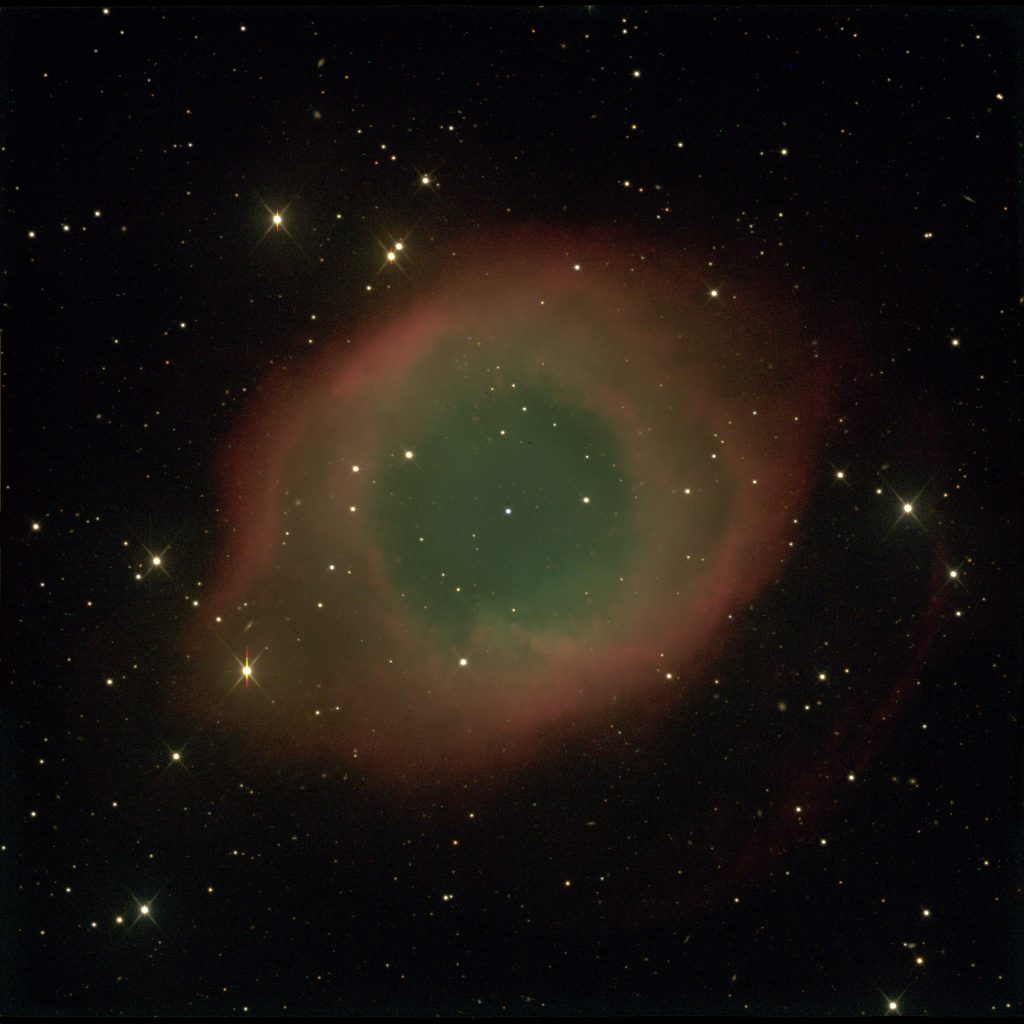
A09: NGC7293 Helix Nebula, Science Club (7 Students), Escola Básica Prof. Artur Nunes Vidal, Portugal
Helix Nebulae is planetary nebula located approximately 650 light-years away from Earth in the constellation Aquarius. Image taken from our LCO account (1m telescope- lsc1m009-Cerro Tololo Inter-American Observatory in Chile) .
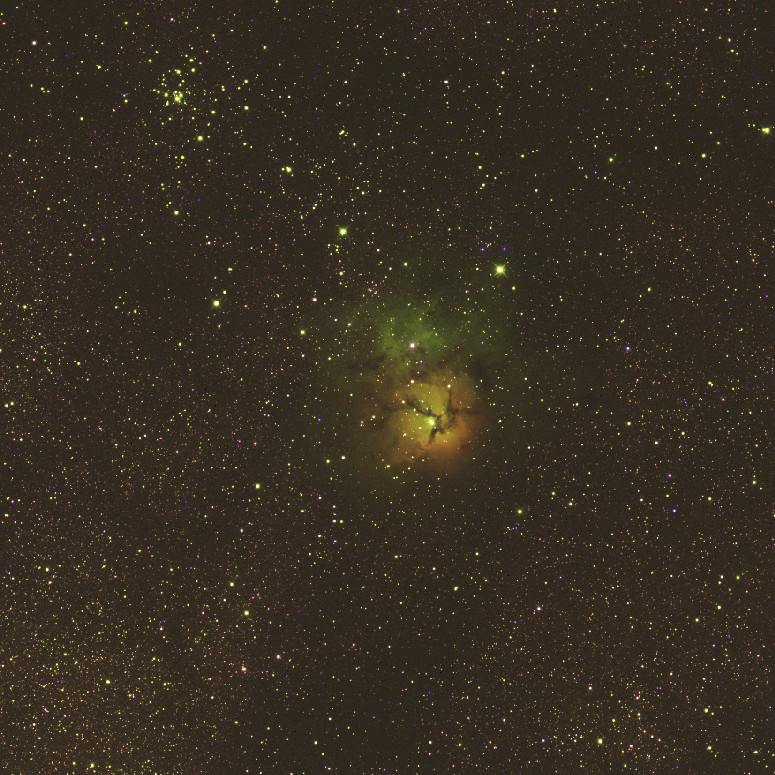
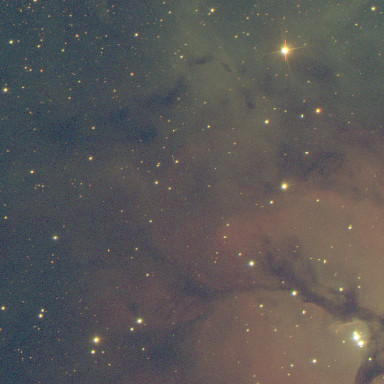
A10a/b: The Trifid Nebula (catalogued as Messier 20), Ester Pereira, Iris Bastos, Matilde Pereira, Escola Básica Prof. Artur Nunes Vidal (Portugal)
The Trifid Nebula is an emission nebula, dark nebula, reflection nebula, and open cluster in one. They enjoy this nebulae, one taken from TSO account, and they have chosen another image of the same nebulae, tooked by Alvaro Folhas with the FTN 2m.
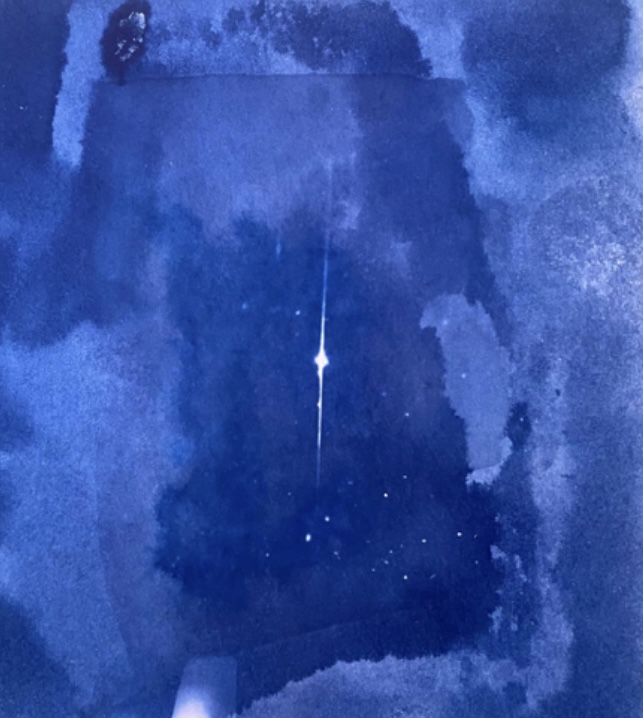
A11: NGC 6888, Gabriel Caridade Marques, Ibn Mucana (Alcabideche, Portugal)
The pulsa(r)tion: I performed a cyanotype with the image I did in school with my teacher. Original portuguese title: A pulsa(r)são
A12: Messier 8, Science Club Team 2, Escola Básica Prof. Artur Nunes Vidal, Portugal
A13: Rosette Nebula, Gabriel Santos and Ester Pereira, Escola Básica Prof. Artur Nunes Vidal, Portugal
Cloud of glowing hydrogen gas and dust located about 5,000 light-years away in the constellation Monoceros. Image taken from TSO account.
A14: Cat’s Paw Nebula (NGC 6334), Science Club Team 3, Escola Básica Prof. Artur Nunes Vidal, Portugal
A15: M16 (Eagle Nebulae), Gabriel Santos and Ester Pereira, Escola Básica Prof. Artur Nunes Vidal, Portugal
widely known as the Eagle Nebula, is a young, active star-forming region located about 5,700 light-years away in the constellation Serpens. Image taken from TSO account.