
Click on the images to enlarge them.
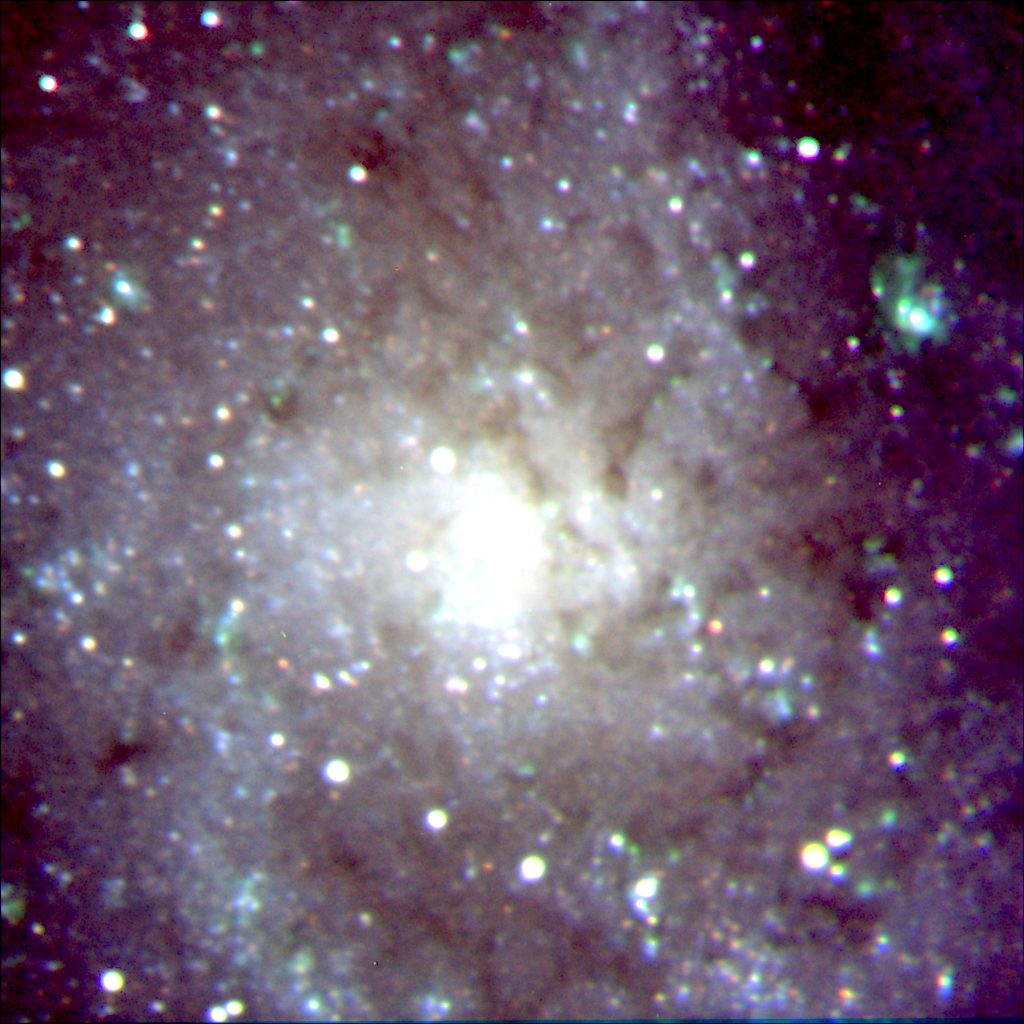
Freie Waldorfschule Lienen, Germany
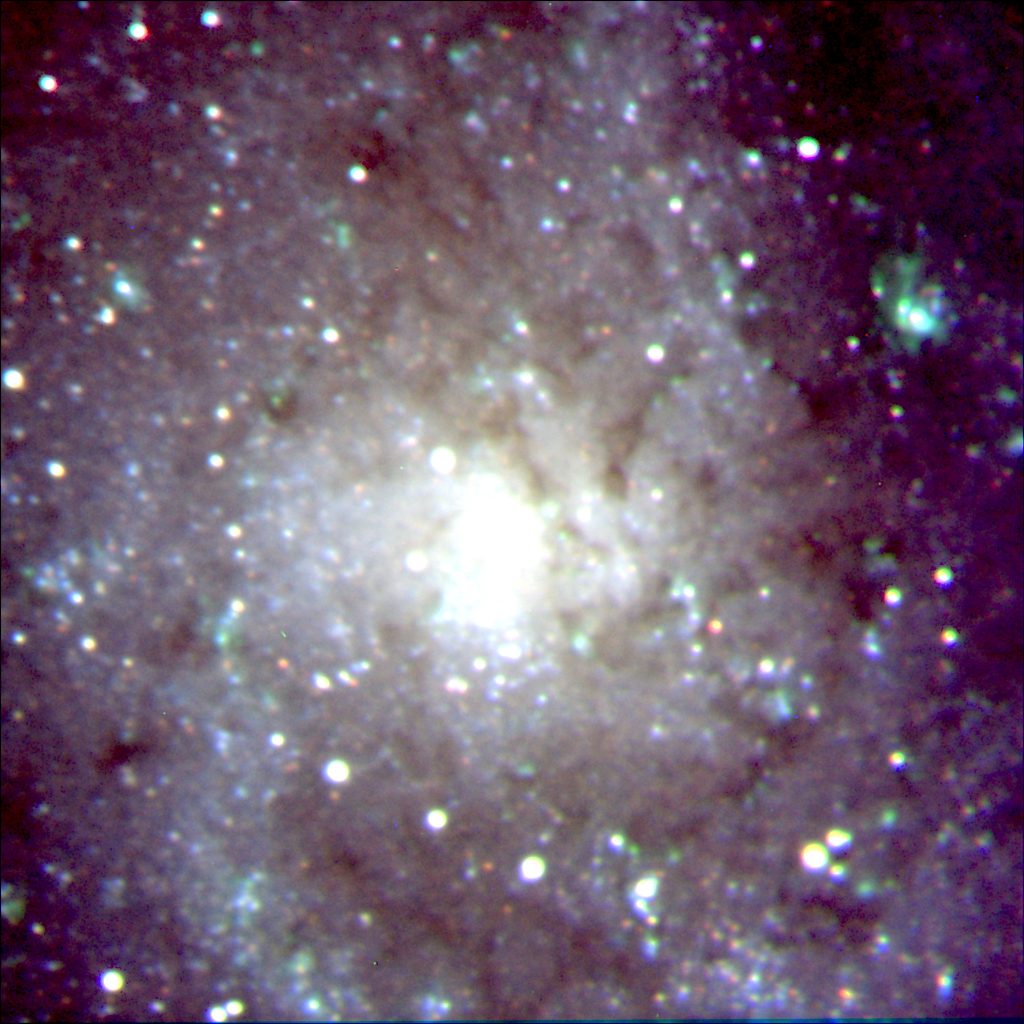
Freie Waldorfschule Lienen, Germany
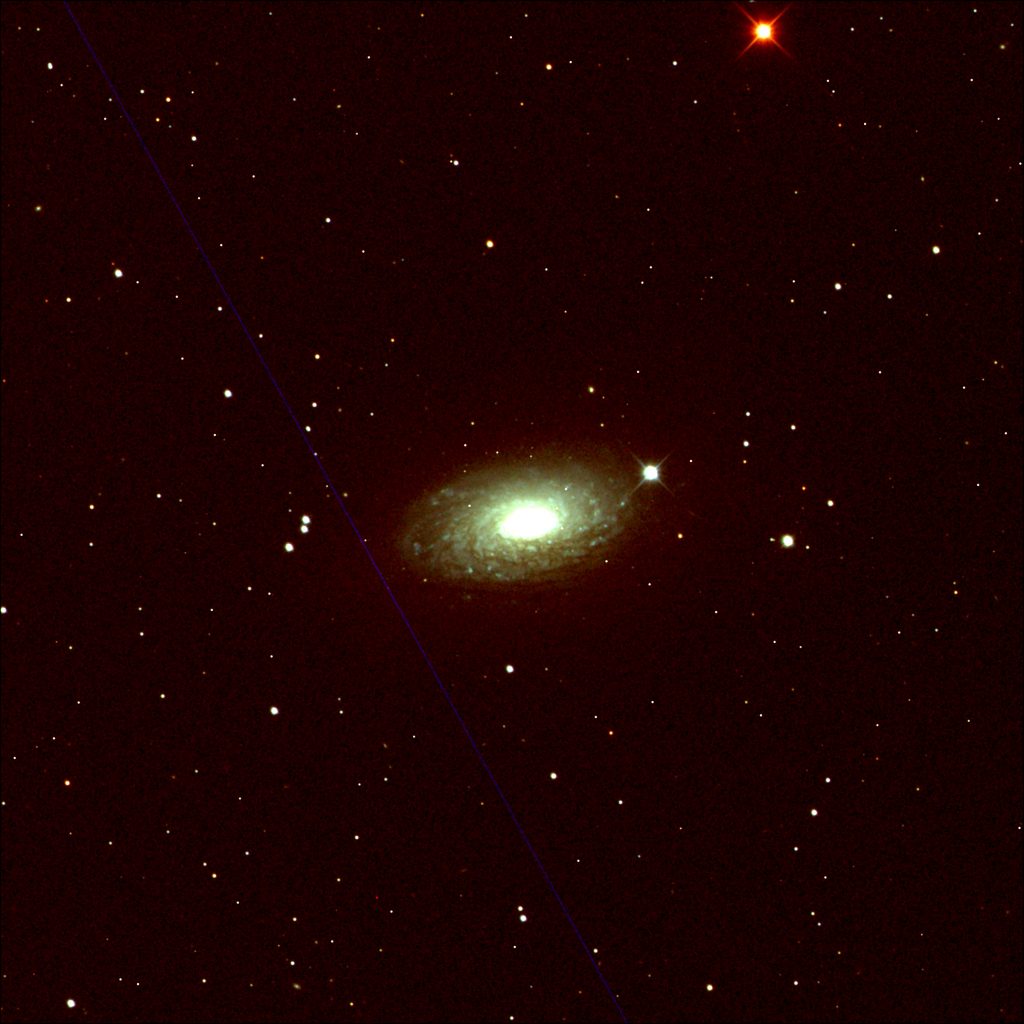
Freie Waldorfschule Lienen, Germany
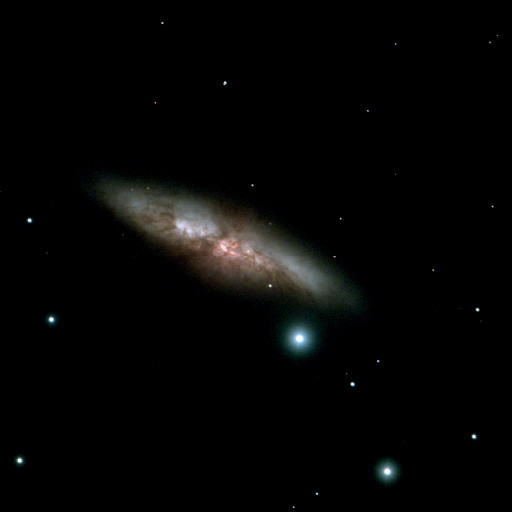
Lessing Gymnasium Lampertheim, Germany
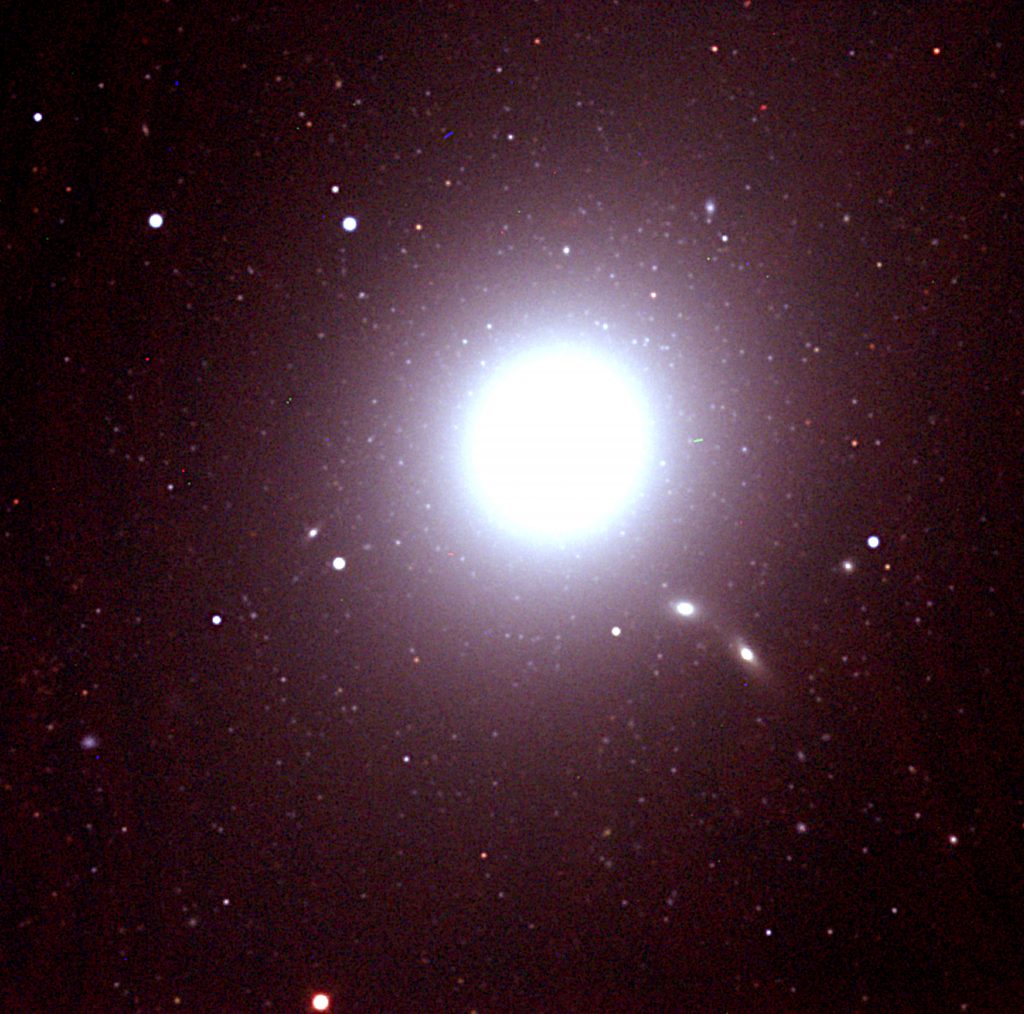
Freie Waldorfschule Lienen, Germany
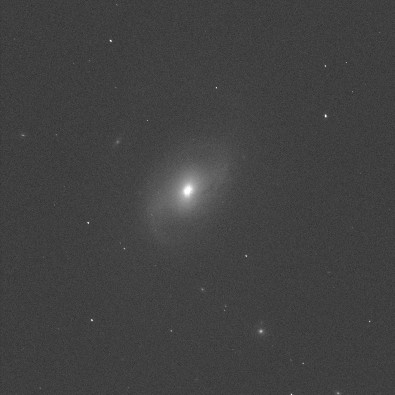
Model Junior High School of Heraklion, Greece
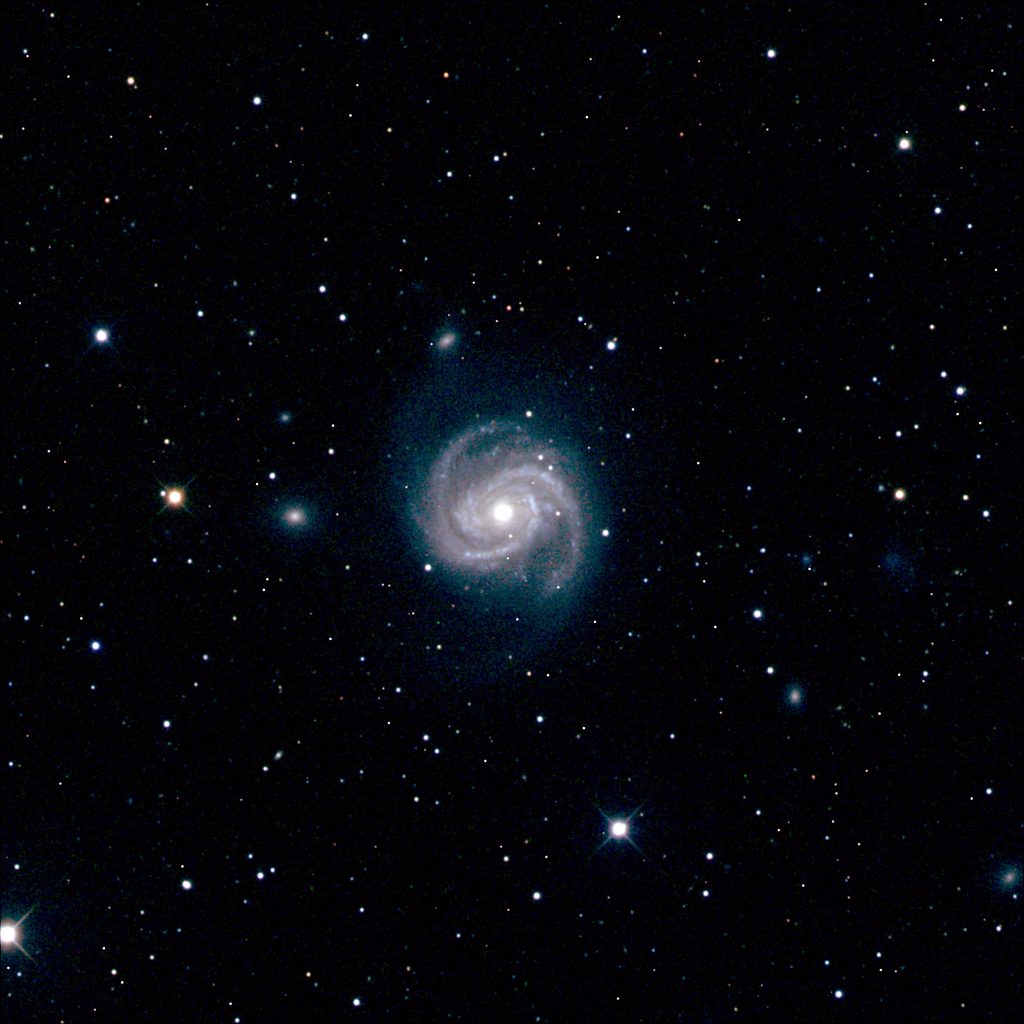
Freie Waldorfschule Lienen, Germany
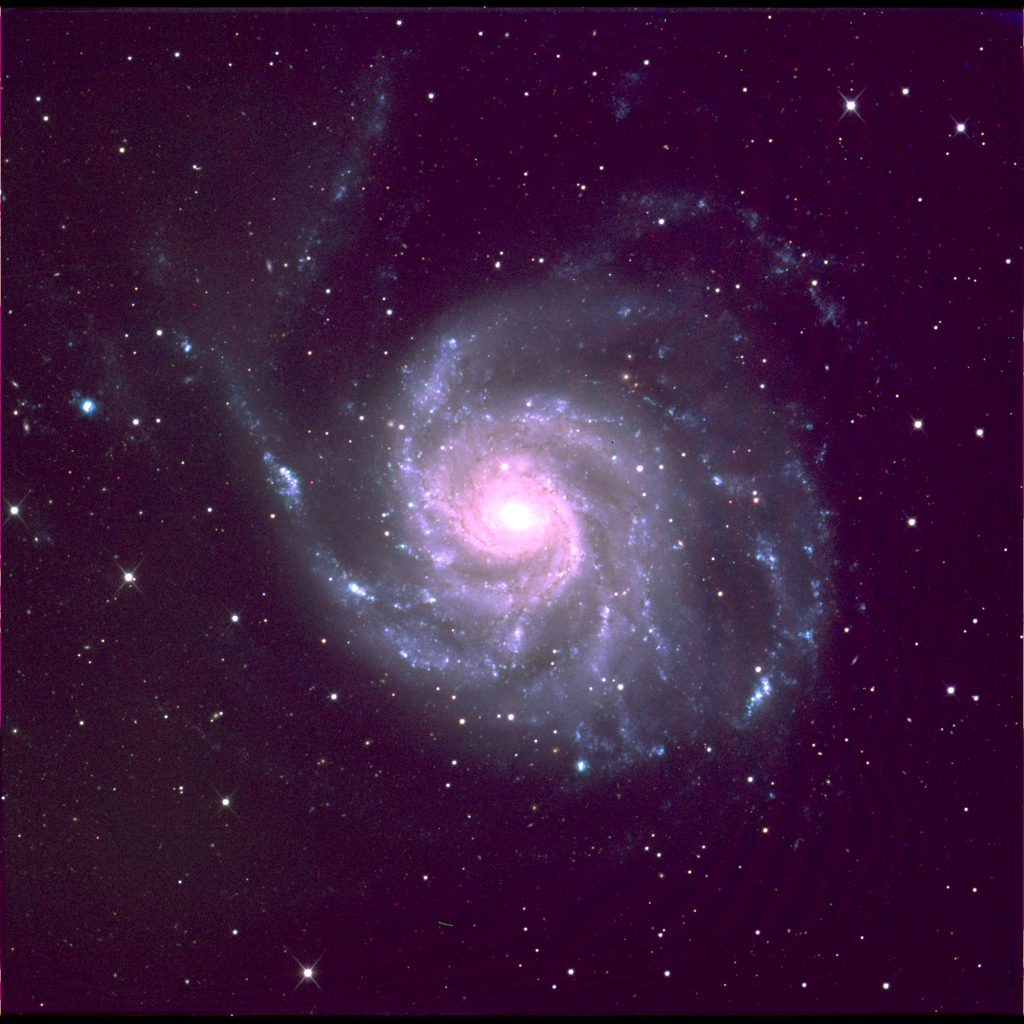
Freie Waldorfschule Lienen, Germany
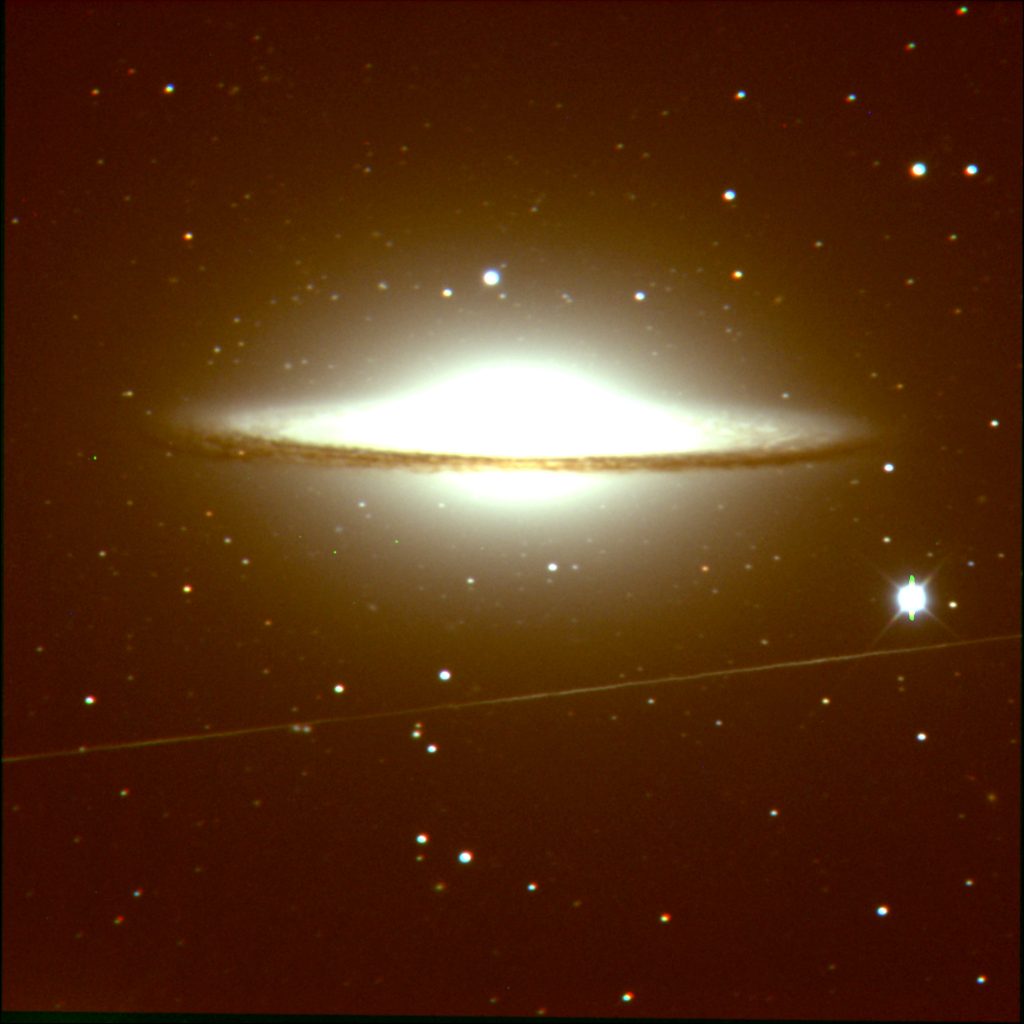
Freie Waldorfschule Lienen, Germany
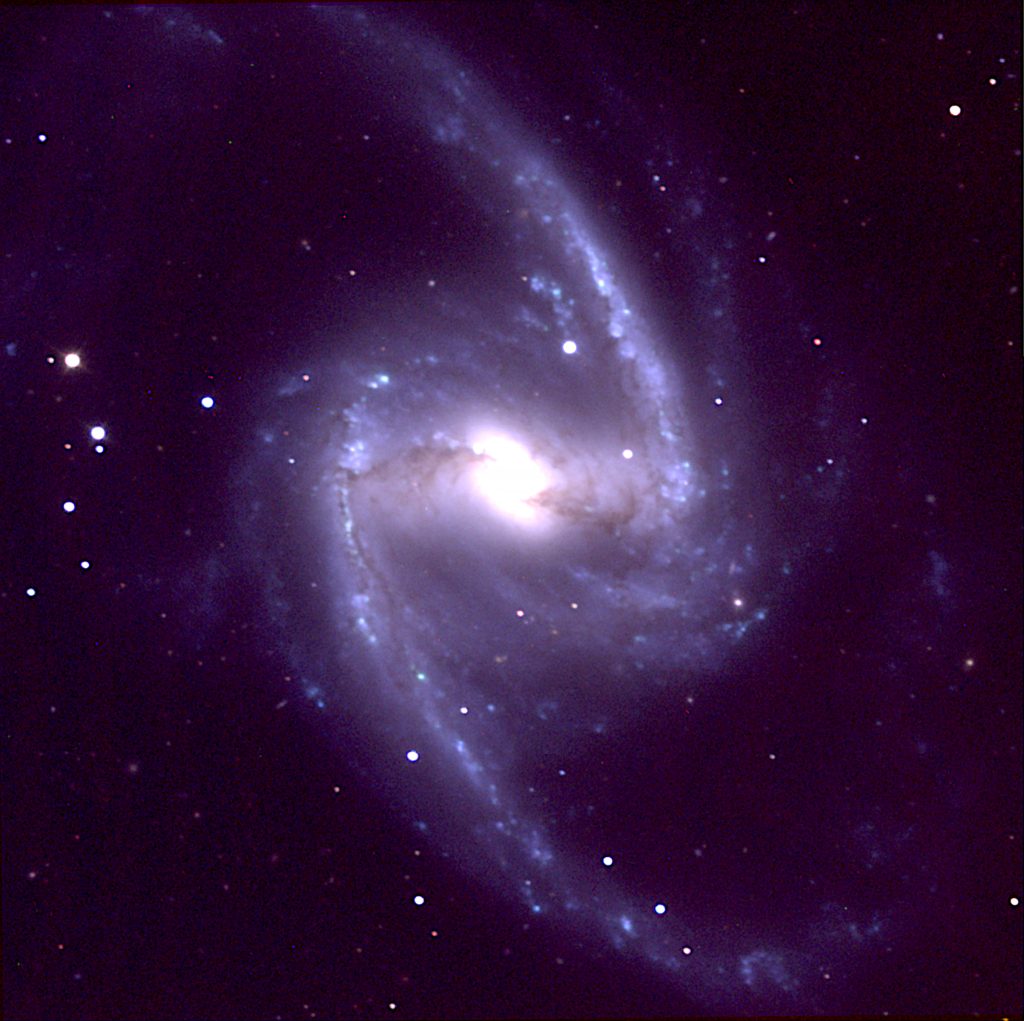
Freie Waldorfschule Lienen, Germany
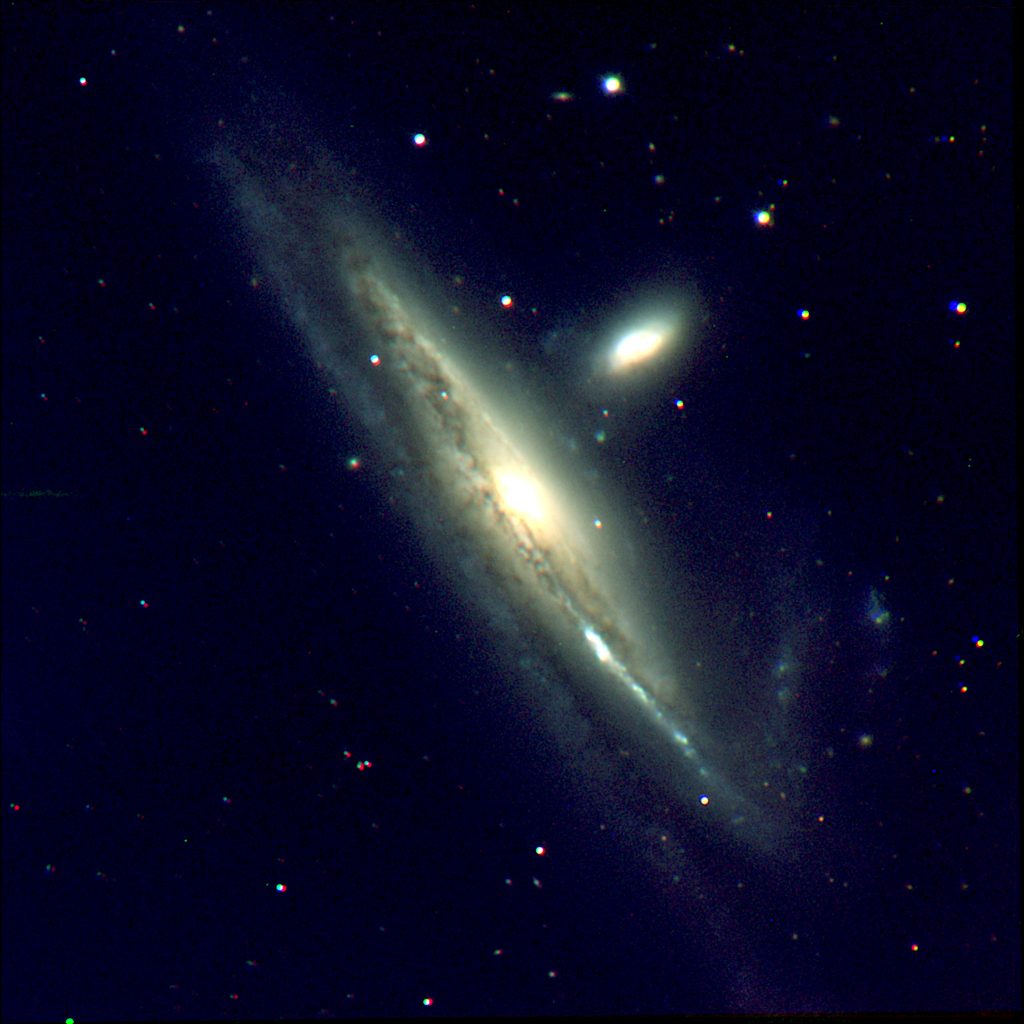
Schillergymnasium Münster, Germany
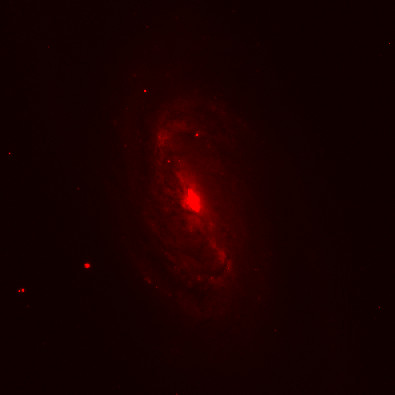
Model Junior High School of Heraklion, Greece
Model Junior High School of Heraklion, Greece
Lessing Gymnasium Lampertheim, Germany
Model Junior High School of Heraklion, Greece
Freie Waldorfschule Lienen, Germany
Escola Básica Prof. Artur Nunes Vidal, Portugal
Escola Básica Prof. Artur Nunes Vidal, Portugal
Lisleny Lima de Souza,
Ibn Mucana (Alcabideche, Portugal)
Escola Básica Prof. Artur Nunes Vidal, Portugal
Further Information about the images:
B01: M33, Cäcilia Lange, Freie Waldorfschule Lienen, Germany
This image focuses on the central part of the galaxy Messier 33 and a small section of its spiral arms. You can see bright stars across the whole view, which belong to our own galaxy, with red and purple clouds glowing alongside yellow and green colors.
B02: M33, Elisa Weiligmann, Freie Waldorfschule Lienen, Germany
This picture shows only the center of the spiral galaxy Messier 33, along with a small part of its arms. The bright middle area is surrounded by bright pink regions, which are actually giant nebulas where new stars are forming against a colorful background.
B03: M63, Maya Klippenstein, Freie Waldorfschule Lienen, Germany
This picture shows Messier 63, a very neat and even galaxy with many spiral arms spinning around a bright center. The galaxy looks quite small in the photo, and you can see a straight line across the image, which is from a satellite flying past while the camera took the picture.
B04: M82, Josha Maischein, Lessing Gymnasium Lampertheim, Germany
This image shows a starburst galaxy called Messier 82, also known as the Cigar Galaxy, located approximately 12 million light-years away in the constellation Ursa Major. Due to severe star formation and energetic activity inside the galaxy, the bright central region is surrounded by glowing gas clouds.
B05: M87, Jan Könemann, Freie Waldorfschule Lienen, Germany
This picture shows the giant galaxy Messier 87, which appears as a bright, glowing circle because of the unimaginable many stars. The via radiodata visible supermassive black hole at the very center is covered in the bright light.
B06: M96, Eleni Meramvelliotaki, Model Junior High School of Heraklion, Greece
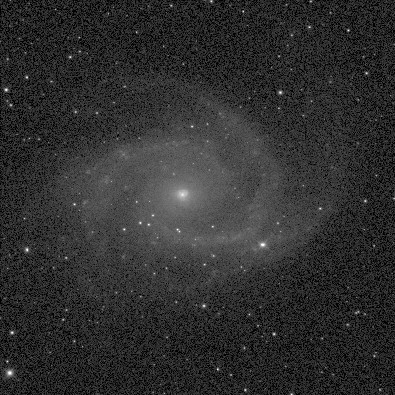
We see a spiral galaxy, located 31 million light year away from us. The photo is taken with the 2M Faulkes telescope.
B07: M100, Augustinus Hentschel, Freie Waldorfschule Lienen, Germany
Messier 100 is a beautiful spiral galaxy that looks quite faint because it has a low visual magnitude. Despite the soft light, you can clearly see a very bright center surrounded by two massive, long spiral arms.
B08: M101, Norah Riese, Freie Waldorfschule Lienen, Germany
This stunning picture shows Messier 101, which is a huge spiral galaxy. What makes it so special to look at is its perfect „face-on“ position, meaning we can look straight down at it like a giant cosmic pinwheel and see its beautiful, winding arms spinning around a bright center.
B09: M104, Anna Lotta Rinkleib, Freie Waldorfschule Lienen, Germany
Messier 104 is a galaxy we view almost from the side, giving it the appearance of a wide hat with a dark ring of thick, cold gas and space dust circling the bright center. This dark lane blocks the light from the stars behind it, marking the special area inside the galaxy where billions of new stars were being born.
B10: NGC 1365, Conner Streich, Freie Waldorfschule Lienen, Germany
NGC 1365 is a barred spiral galaxy. It stands out because it has a perfectly straight „bar“ of stars crossing over its bright core, with two massive spiral arms curving away from the ends like a giant cosmic propeller.
B11: NGC 1532, Amelie Wunnicke, Schillergymnasium Münster, Germany
This impressive picture captures a cosmic clash between the large spiral galaxy NGC 1532 and its smaller neighbor, NGC 1531. The immense gravity of the smaller galaxy is pulling on the larger one, causing its massive spiral arms to visibly lean and stretch toward its companion.
B12: NGC 2906, Eugenia Tzompanaki, Model Junior High School of Heraklion, Greece
We see NGC 2905 an isolated barred spiral galaxy, located 30 million years away from the Milky way. The image is taken using the Teide observatory (1M). We use a red filter.
B13: NGC 2997, Zacharias Androulakis, Model Junior High School of Heraklion, Greece
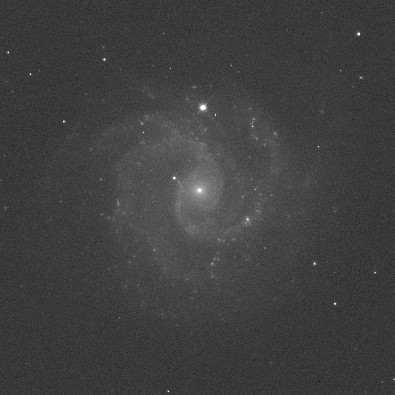
We see NGC 2997, an unbarred spiral galaxy located 40 million light-years away from us. The image is taken using the 2 meter Faulkes Telescope.
B14: NGC 2997, Sarah Foß, Lessing Gymnasium Lampertheim, Germany
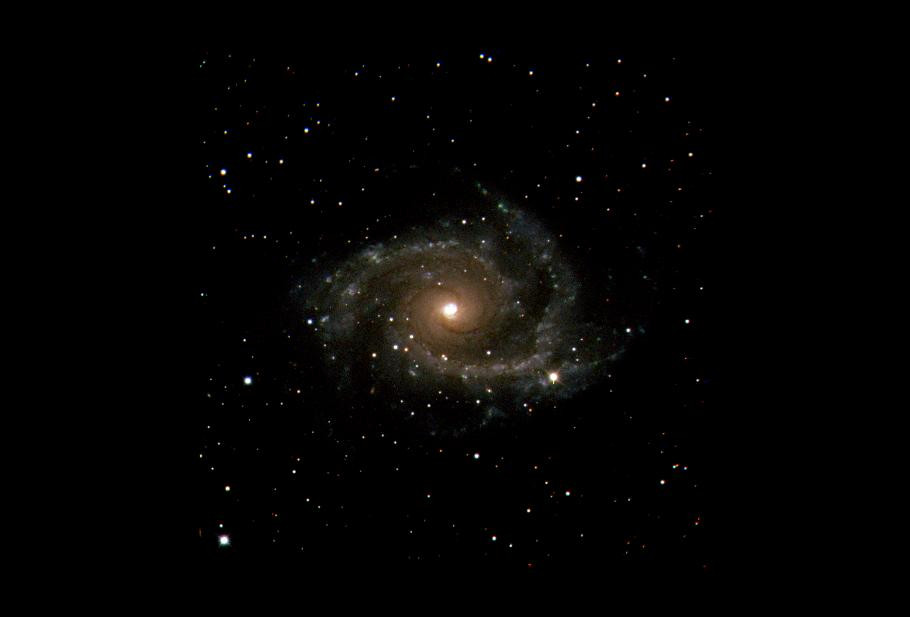
This image shows the spiral galaxy NGC 2997. You can see its bright center and the spiral arms where new stars are forming.
B15: NGC 3184, Mari-Chrysa Karadimou, Model Junior High School of Heraklion, Greece
We see the galaxy NGC 3184 also known as the little Pinwheel galaxy, an unbarred spiral galaxy 40 million light-years away from us. The photo is taken using the Teide observatory (1 metre).
B16: NGC 4945, Gino Webers, Freie Waldorfschule Lienen, Germany
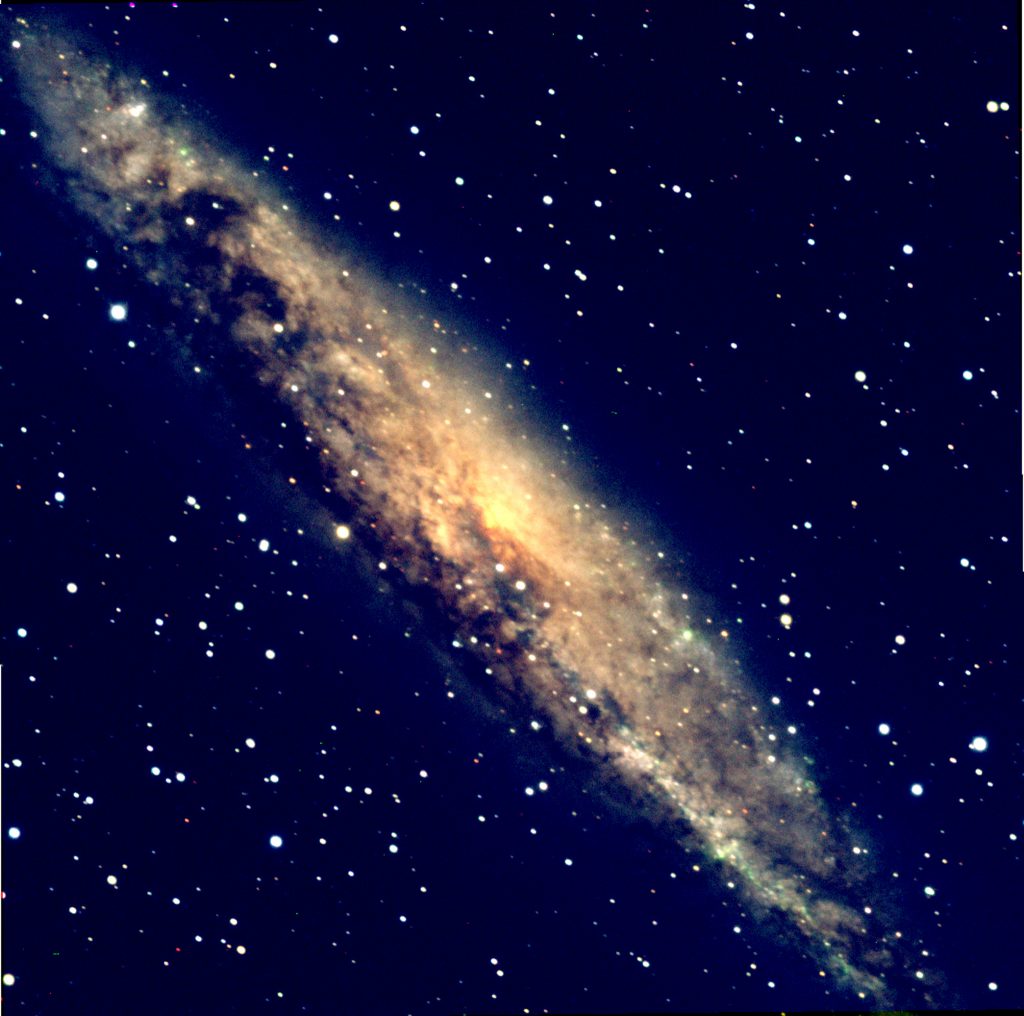
This impressive picture shows NGC 4945, a large spiral galaxy viewed from the side that stretches diagonally across the frame from the top left toward the bottom right. This edge-on angle highlights its beautiful structure, showing a bright central core and a thick, dark lane of dust running along the bottom edge of the galaxy’s body.
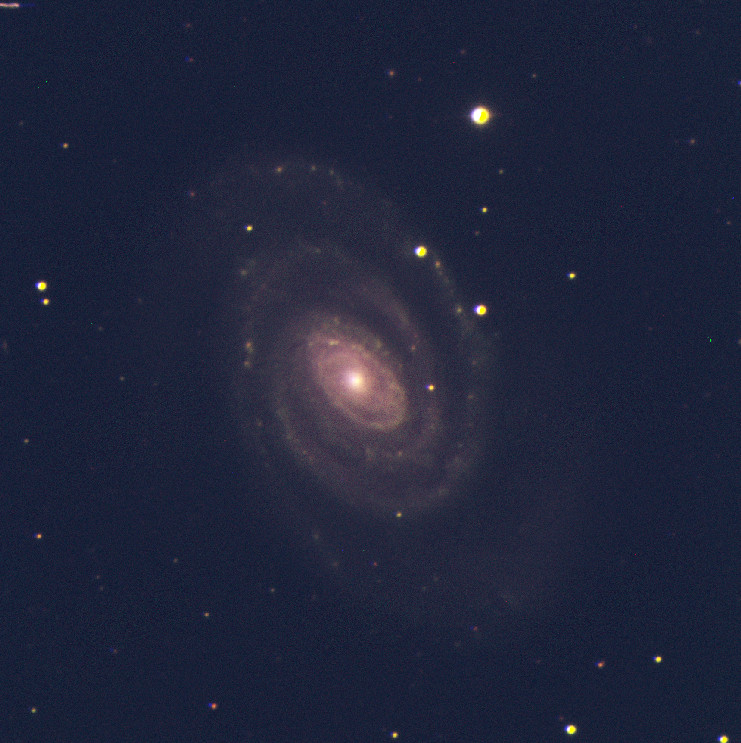
B17: NGC 5364, Science Club (7 Students), Escola Básica Prof. Artur Nunes Vidal, Portugal
NGC 5364 is a grand design spiral galaxy located 54.5=10.5px million light years away in the constellation Virgo. Image taken from TSO account.
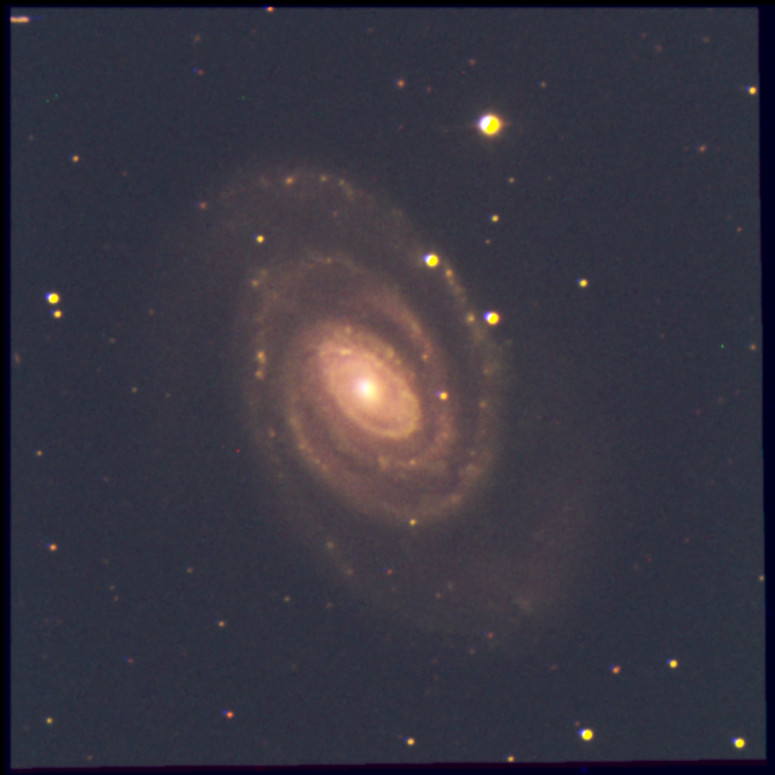
B18: NGC 5364, Gabriel Santos and Ester Pereira, Escola Básica Prof. Artur Nunes Vidal, Portugal
Spiral galaxy in the constellation Virgo, located approximately 54.5 million light-years from Earth. Image taken from TSO account.
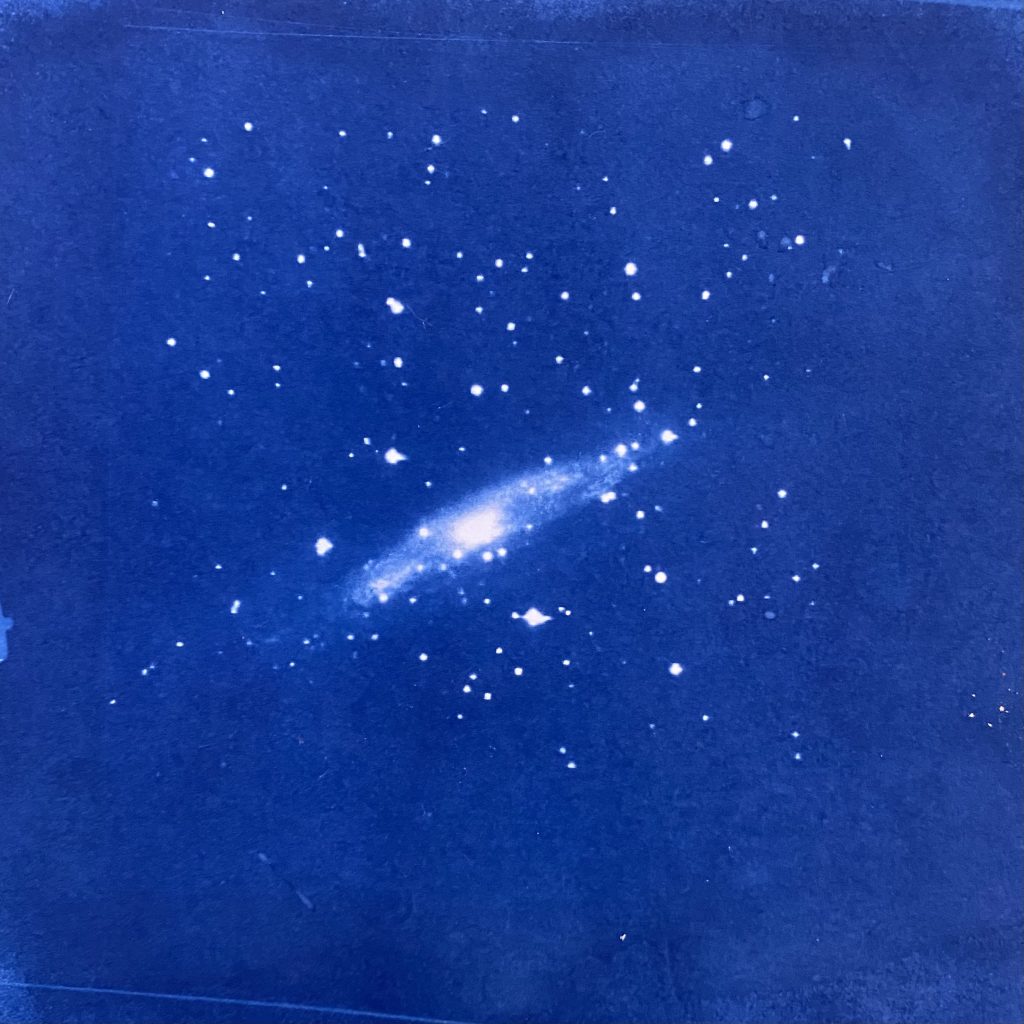
B19: M98 and Proxima Centauri, Lisleny Lima de Souza, Ibn Mucana (Alcabideche, Portugal)
I performed a cyanotype by superimposing two images (one of Messier 98 spiral galaxy and another with Proxima Centauri) I did in school with my teacher. Original portuguese title: A união de galáxias
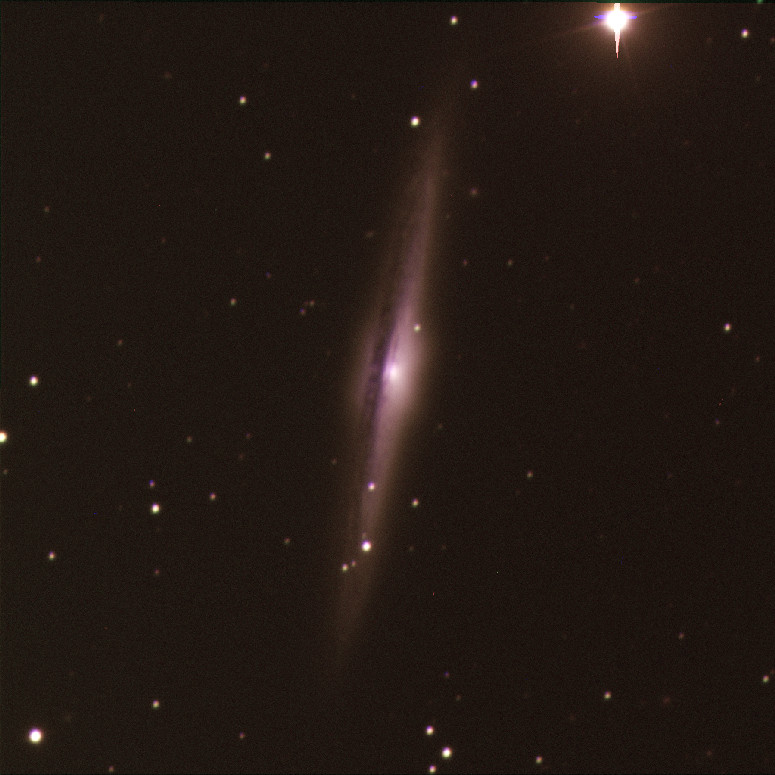
B20: NGC 5746, Science Club Team 4, Escola Básica Prof. Artur Nunes Vidal, Portugal
Image Gallery A – Gas Nebulas
Image Gallery C – The Moon